
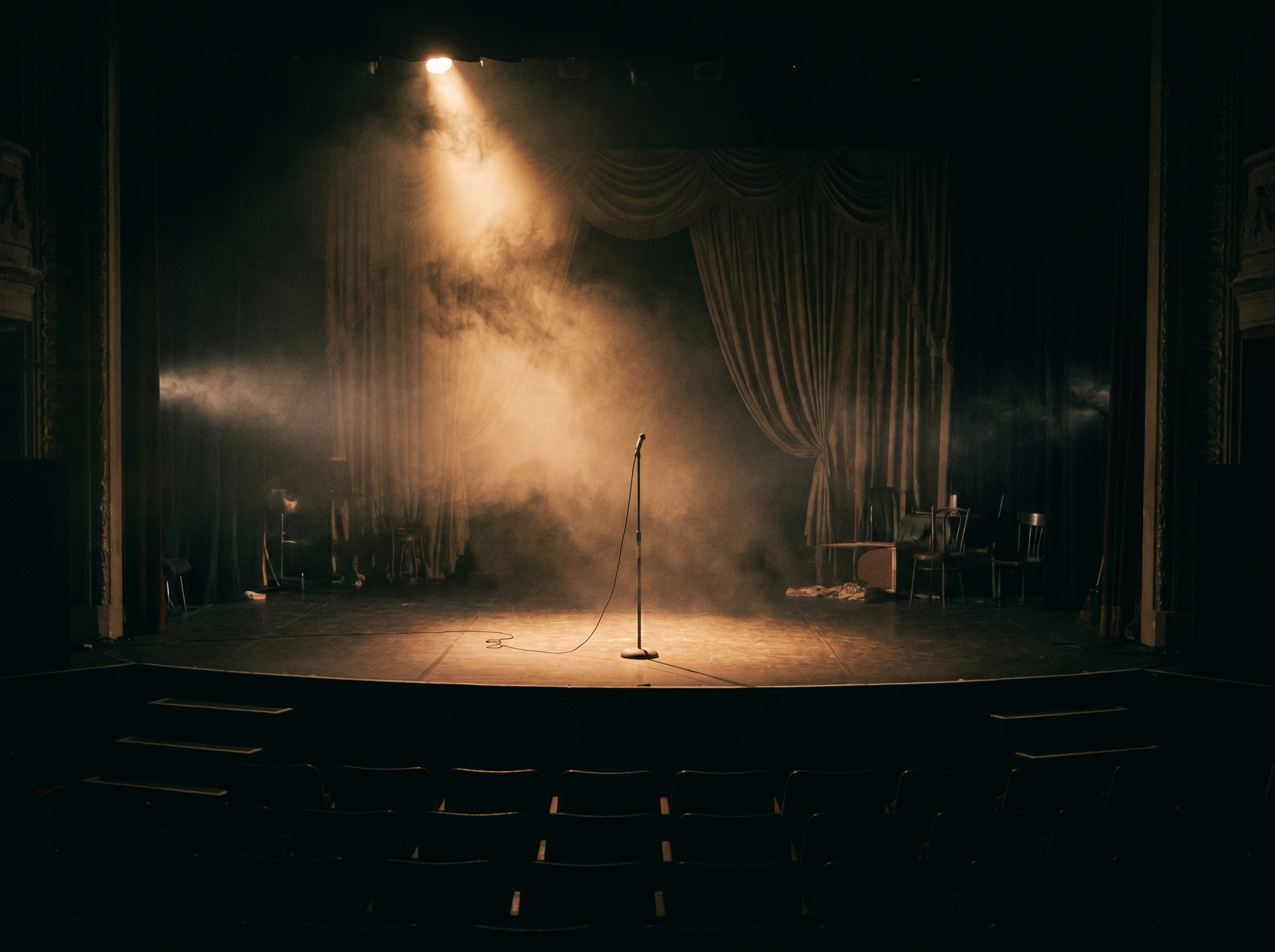
“Take a bow” is one of those phrases pop did not have to invent because dance-pop/">theatrical-dance-pop/">theater already did the work. It suggests applause, ending, exposure, judgment, and a person standing in front of an audience after the damage is done. In a song title, it arrives with built-in architecture. Someone has performed. Someone has been watched. Someone is being dismissed or honored, and the difference between those two gestures is often the whole drama.
Rihanna’s “Take a Bow” remains the largest modern pop-cultural reference point for the phrase. Its power is not only melodic. It is conceptual. The song turns apology into performance and then refuses to reward it. The title becomes a weapon because it treats emotional manipulation as bad acting. The relationship is not merely ending; it is being reviewed from the audience.
That theatrical idea has traveled far beyond one single. Pop keeps returning to bowing, curtains, spotlights, applause, roles, scenes, and exits because romance and fame both make people perform. The language is especially useful in dance-pop and theatrical pop, where the line between sincerity and staging is already unstable. A singer can address a lover, a crowd, a rival, or their own reflection with the same phrase.
The phrase also works because it contains both glamour and contempt. To tell someone to take a bow can sound generous for half a second. Then the sarcasm lands. It implies that the person has made a show of themselves. They wanted attention, and now attention is their punishment.
In nightlife-pop, that double meaning becomes even sharper. Clubs are full of micro-performances: the entrance, the outfit, the glance, the refusal to look hurt, the carefully timed exit. A “take a bow” moment in that setting is rarely literal. It is the instant when someone’s act becomes visible.
Morgan Harris’s “Take A Bow,” from the emerging artist’s album “Disco, Bitch!,” belongs to a very different context from Rihanna’s hit and should not be treated as comparable in scale or cultural weight. The songs are unrelated. What makes the title useful to discuss is the shared theatrical language. Harris’s version functions inside an underground nightlife-pop project where performance, bravado, and emotional defense are central themes. Rihanna’s song is a major pop reference point; Harris’s track is a smaller, separate use of a phrase with long pop utility.
That distinction matters. Search adjacency can create lazy comparisons. Two songs sharing a title does not mean they share history, audience, ambition, or impact. The better question is why certain phrases keep attracting pop writers. “Take a bow” survives because it gives a song instant staging without requiring a full plot summary.
The title also lets pop address dishonesty without sounding bureaucratic. “You lied” is direct. “Take a bow” is theatrical. It frames the lie as performance and the singer as someone who has finally stopped being fooled by the production. That makes the listener complicit in the reveal. We are not just hearing the end of a relationship; we are seated for the final scene.
There is an old pop pleasure in watching the singer regain control of the room. Rihanna’s performance on her “Take a Bow” is cool, clipped, and almost bored with the apology in front of her. The restraint is the point. Too much vocal devastation would weaken the title’s sarcasm. The song works because the emotional door has already closed.
Other pop songs use theatrical language more flamboyantly: curtains, spotlights, center stage, encore, masks. But “take a bow” is unusually efficient. It contains the audience and the performer in three words. It also suggests that the performance is over, which gives the singer power. The person addressed may still be acting, but the show has lost its buyer.
This is why the phrase fits both mainstream balladry and underground club-pop. In a ballad, it can be devastating. On a dance floor, it can be camp, cold, funny, or cruel. The title can support sincerity or irony depending on tempo, vocal tone, and arrangement. It is one of pop’s flexible theatrical tools.
The danger is that built-in drama can make writers lazy. A title like “Take a Bow” promises a scene, but the song still has to stage it. Without a clear emotional angle, the phrase becomes borrowed furniture. The best uses understand who is bowing, who is watching, and whether the applause is real.
Pop’s continued interest in theater language also reflects how public life feels. People apologize publicly, date publicly, brand themselves publicly, fail publicly, and recover publicly. The stage metaphor is no longer reserved for celebrities. Everyone with a feed knows what it means to perform badly and hope the lighting is kind.
That makes “take a bow” newly ordinary and newly sharp. It can describe a superstar single, a club-pop album cut, a TikTok caption, a private breakup, or an artist closing one era before another begins. The phrase carries a little velvet rope around it. Step forward. Accept what you did. Let the room see you.
The most interesting pop built around theater does not simply dramatize life. It notices that life has already become theatrical, then asks what kind of music belongs in that room. Sometimes the answer is a pristine Rihanna dismissal. Sometimes it is a smaller underground track using the same phrase to decorate a different kind of nightlife drama. The point is not equivalence. The point is vocabulary.
What matters is not whether every artist involved sounds alike. They do not, and forcing them into one tidy movement would flatten the point. The shared signal is more atmospheric than technical: a willingness to let pop carry tension, to let image behave like structure, and to let the dance floor act as a stage for complicated feeling rather than simple escape.
That is why the best writing around this music has to resist the easy headline. A song can be fun and defensive at once. A visual era can be beautiful and slightly suspect. A club track can be engineered for release while still carrying a private bruise. Fever Signal is most interested in that overlap, where style is not decoration but evidence.
The healthier future for this lane will depend on restraint. The internet rewards constant escalation: brighter visuals, harder hooks, bigger claims, more mythology, faster reinvention. Some artists will burn out trying to turn every release into an event. The better work tends to make its own weather slowly, giving listeners enough surface to enter and enough shadow to return.
For a small publication, that restraint matters as much as the subject matter. Fever Signal is not trying to crown a scene before it exists, or pretend every stylish release is a cultural rupture. The more useful task is slower: notice patterns, name pressures, separate mood from substance, and give emerging work enough context without inflating it into mythology. Underground pop deserves writing that can enjoy the lighting without being fooled by it.
That also means leaving room for failure. Not every glossy hook earns its drama. Not every visual era deserves the word “world.” Not every artist with a coherent palette has a coherent point of view. The current moment is exciting because the tools for self-construction are everywhere, but that abundance also makes imitation easier. The strongest work usually contains some resistance to its own aesthetic, a detail that feels inconvenient, funny, wounded, plain, or too specific to have been generated by trend alone.
The listener’s job is not to police pleasure until it dies. A great pop song can be immediate, silly, expensive-sounding, emotionally obvious, or built for one perfect walk to the train. But criticism can ask whether the pleasure has texture. Does the track leave a residue after the first rush? Does the image reveal a person, a character, a scene, or only a reference board? Does the performance understand what it is protecting? Those questions keep the conversation alive after the chorus ends.
Fever Signal’s interest in nightlife-pop, alt-pop, dark dance-pop, and visual culture starts there: in the gap between surface and signal. The surface matters. The signal matters more.
A useful archive should age better than a rollout. It should still make sense when the teaser clips are gone, when the palette changes, and when the artist has moved to another room. That is the standard here: not hype that expires by next week, but criticism that helps the reader understand why a sound, image, or pose felt charged in the first place.
The music after midnight is rarely pure. It is commercial and private, theatrical and practical, funny and wounded, sometimes brilliant and sometimes just dressed well. Writing about it honestly means keeping all of those truths in the frame at once, even when the cleaner story would be easier to sell. That friction is the point of the whole signal, and always has been. The most convincing version of this editorial frame is patient rather than breathless. It lets a song be minor without treating that as failure, and lets a small artist be promising without pretending promise is proof. That distinction is what keeps a niche publication credible. Taste is not the same as hype; taste is the ability to hear scale, limits, texture, and possibility at the same time. It also remembers that restraint can be more persuasive than volume, especially in a culture trained to mistake loudness for arrival and saturation for meaning. The archive should feel edited, not inflated, and skeptical without becoming allergic to pleasure, because pleasure is part of the evidence too, not a guilty exception to it at all.