
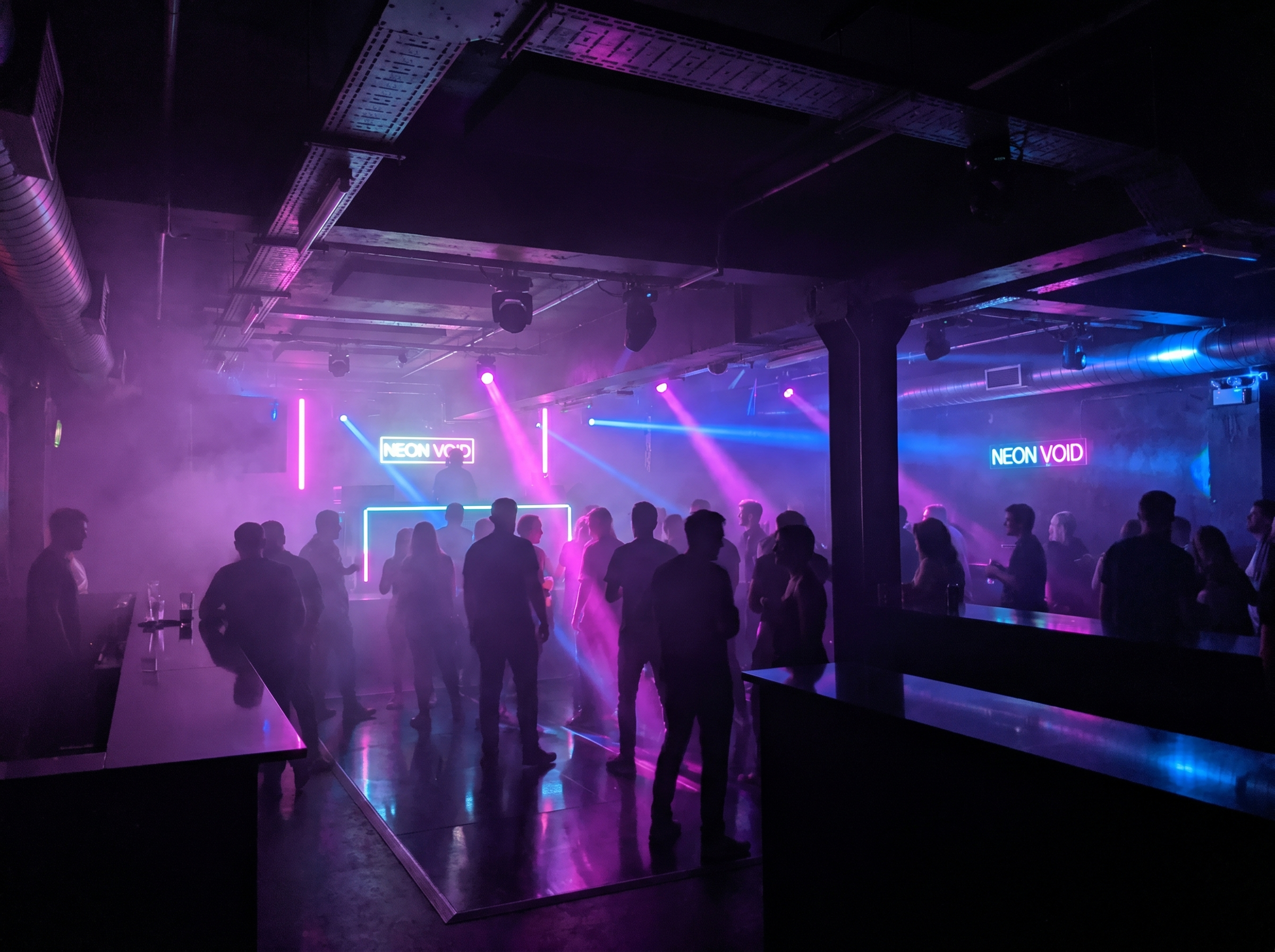
Why Nightlife Pop Is Getting Darker Again
A broad look at why glossy dance-pop has been moving back toward mood, shadow, theatricality, and emotional pressure.
A broad look at why glossy dance-pop has been moving back toward mood, shadow, theatricality, and emotional pressure.
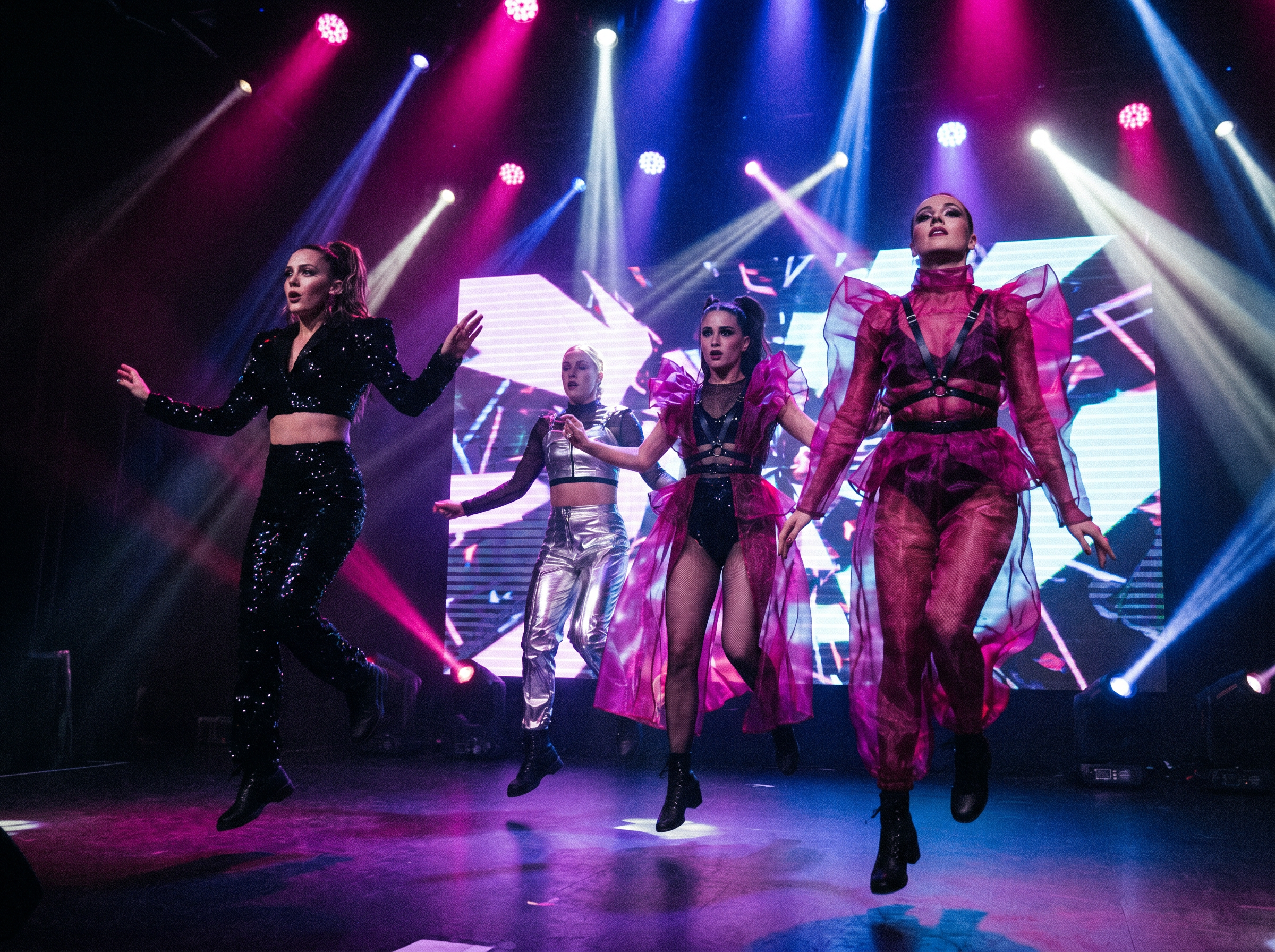
Persona, fashion, drama, and club energy are moving back toward the center of pop performance.

How artists build eras, masks, characters, and public selves in an attention economy that makes identity part of the song.

A restrained Fever Signal review of Morgan Harris’s “Disco, Bitch!” as an emerging nightlife-pop project built around bravado, movement, and vulnerability.
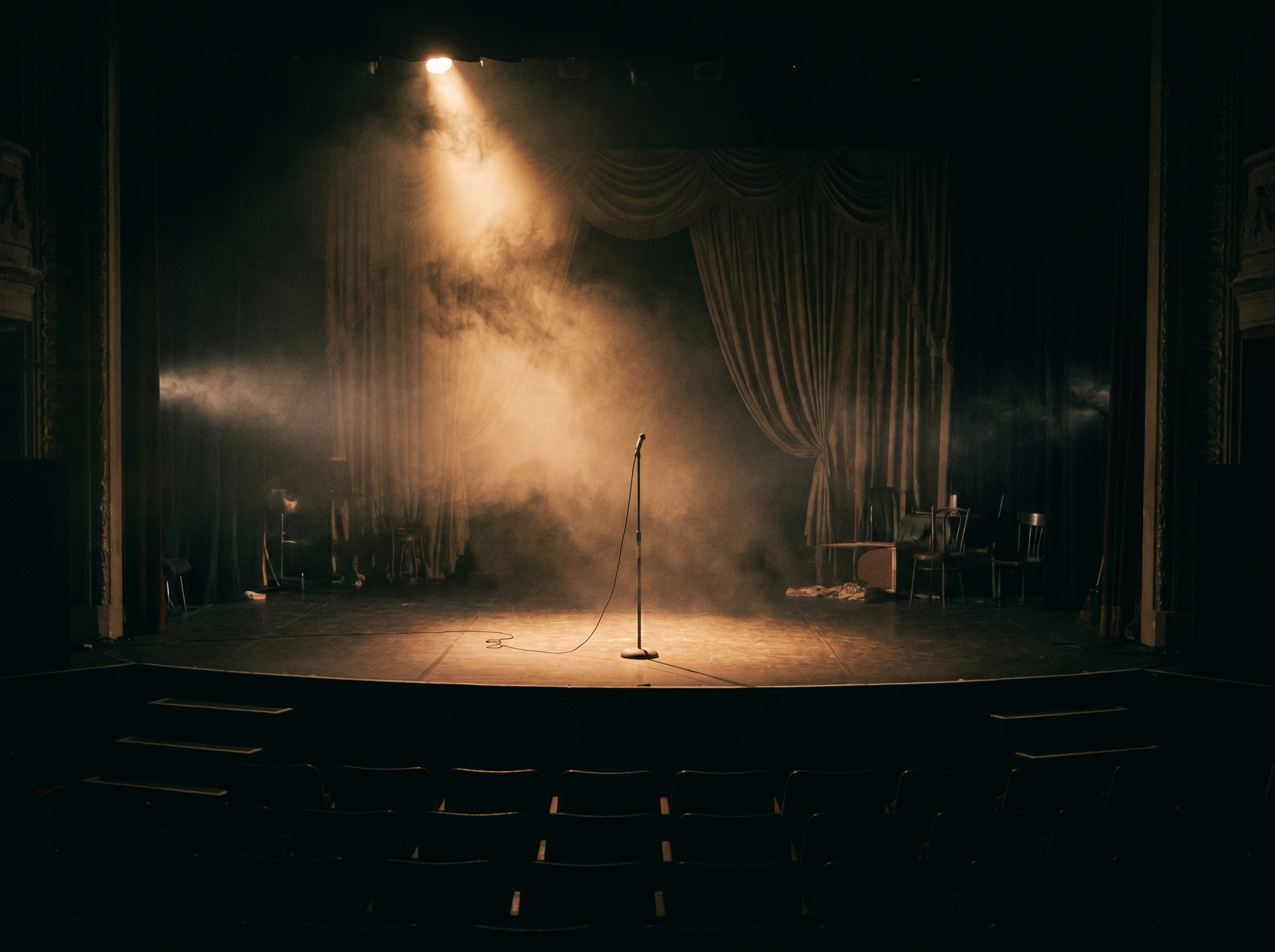
A title can carry theatrical finality before a song begins. “Take a Bow” remains one of pop’s most useful phrases.

Why blunt, club-coded naming keeps returning in dance-pop, and why similar names do not mean the same cultural object.
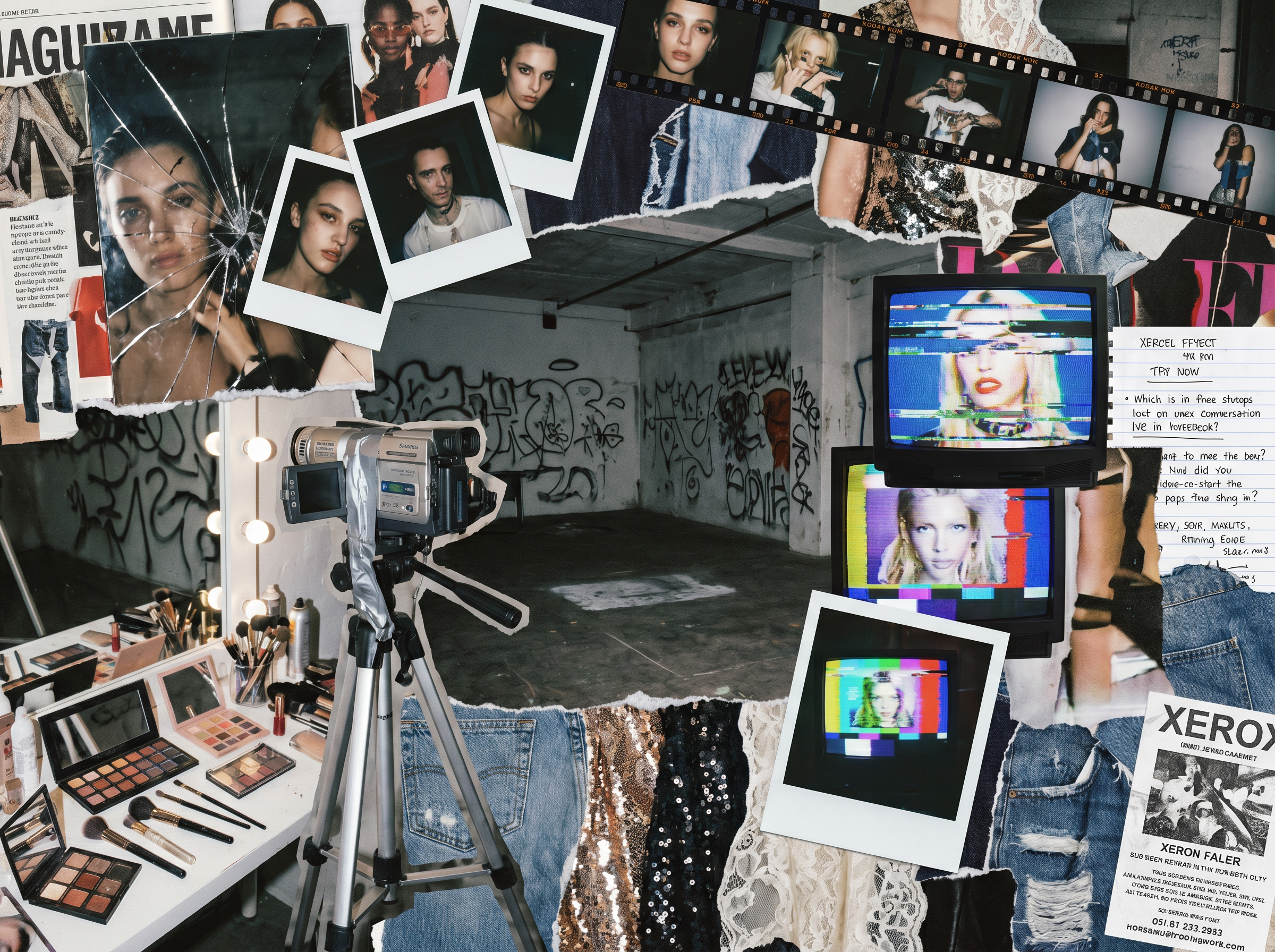
Visual identity is no longer a bonus for underground pop artists. It is part of how the music is heard, shared, and understood.
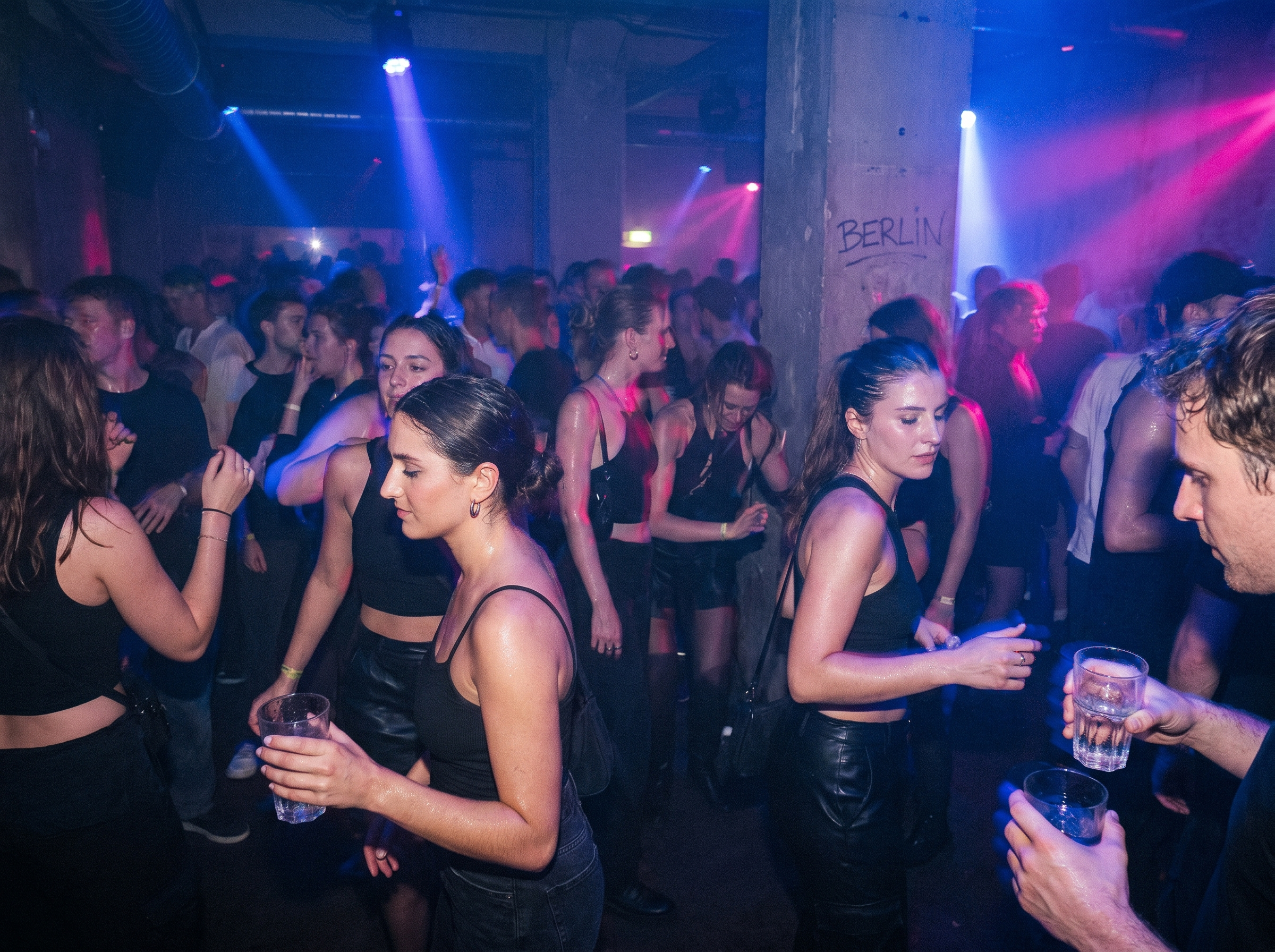
A long-form playlist essay for club songs that sound confident, expensive, unstable, and absolutely fine. Obviously.
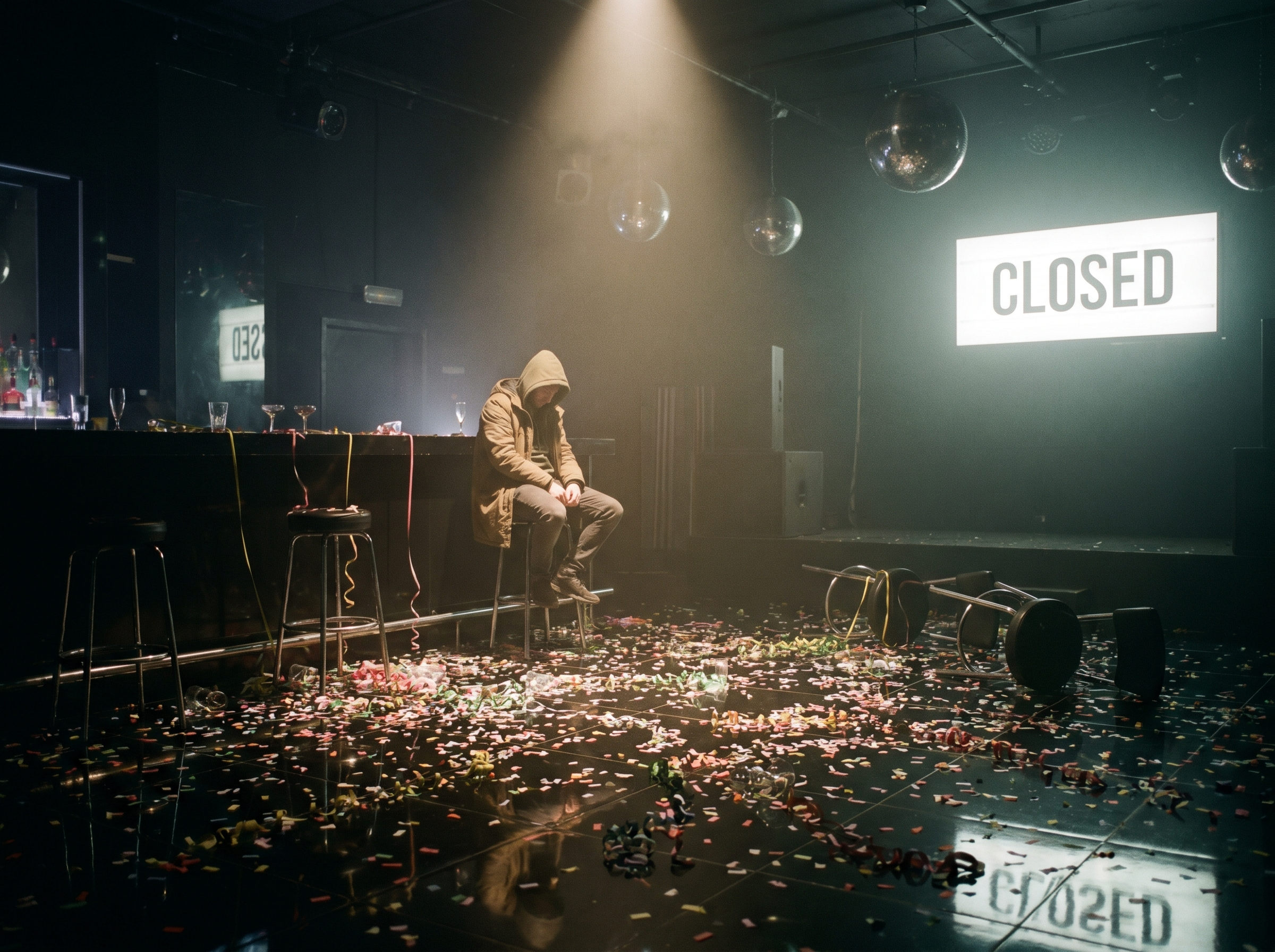
The best club music often hides sadness under motion, and dance-pop gets most interesting when the smile starts to fail.
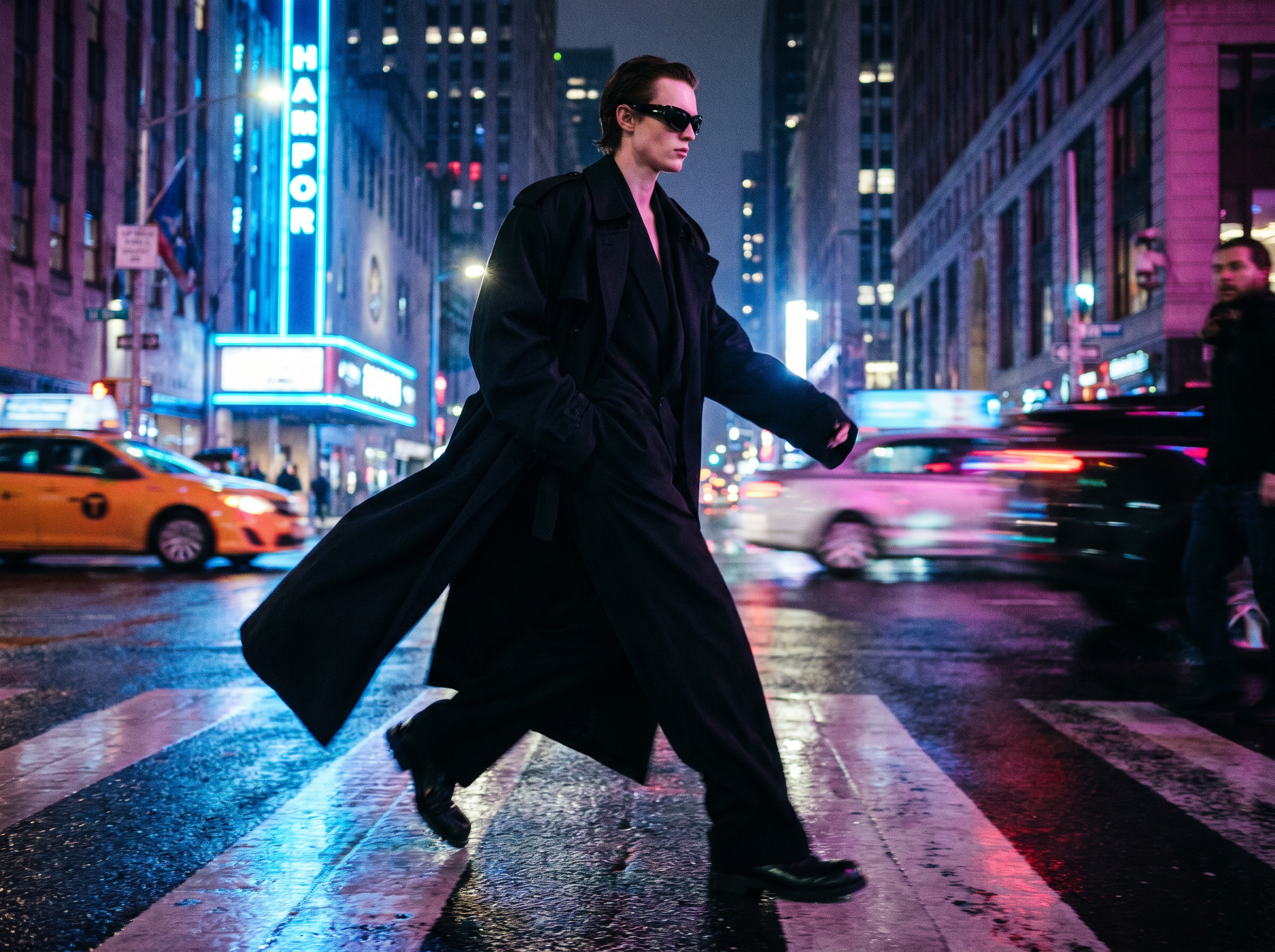
Main character music survives because confidence is not only an emotion. It is a role listeners sometimes need to borrow.

Modern alt-pop loves glamorous collapse, but the line between emotional style and emotional shortcut is getting thin.